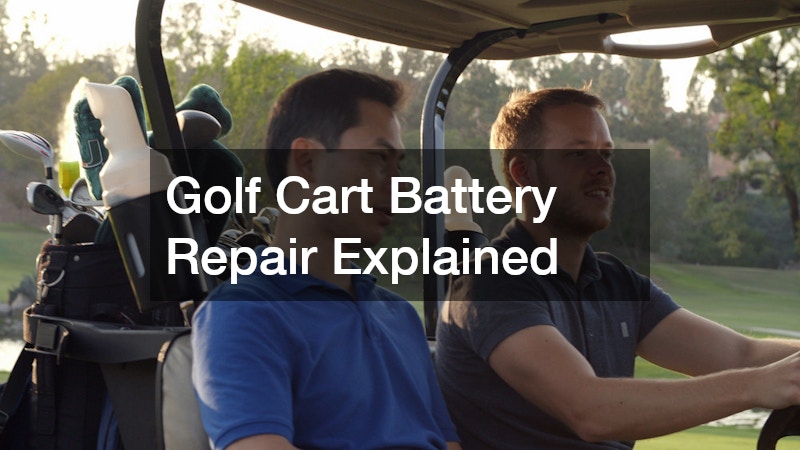
Understanding golf cart battery repair is crucial for maintenance, longevity, and performance enhancement. Proper care can significantly improve battery lifespan, ensuring smooth operation both on and off the golf course. This article provides insights into prevalent battery issues, testing techniques, repair steps, service requirements, and preventative measures.
What Are the Common Issues With Golf Cart Batteries?
Understanding Battery Corrosion
Battery corrosion, often occurring on terminals, impairs power transmission and charging ability. Regular inspection and proper cleaning of terminals are crucial in managing this issue.
Dealing with a Dead Battery
Dead batteries result from neglect or overuse, leading to complete charge loss and potential sulfation. Quick charging with a compatible charger and adjusting charging habits can counteract this problem.
Identifying Symptoms of Weak Batteries
Weak batteries show symptoms like slow acceleration and reduced range. Identifying these early allows for timely action to maintain optimal battery health. Regular testing and visual inspections can further assist in early detection of battery issues.
Evaluating Battery Water Levels
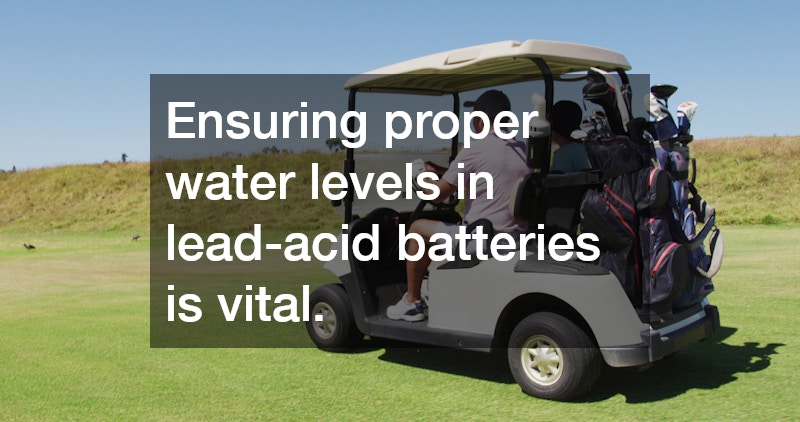
Ensuring proper water levels in lead-acid batteries is vital. Low levels can damage plates, so use distilled water for refilling and monitor regularly to prevent dehydration. Installing a water-level indicator can simplify the monitoring process and enhance maintenance efficiency.
Recognizing Overheating Symptoms
Overheating can degrade batteries, often caused by overloading or high temperatures. Rectifying excessive heat conditions prevents damage. Using heat shields or relocating the battery away from heat sources can help mitigate overheating risks.
How Can You Test a Golf Cart Battery?
Using a Multimeter to Test Voltage
A multimeter tests voltage levels, helping identify charging efficiency and potential issues. Monitoring voltage regularly aids in timely intervention.
Performing a Load Test
A load test evaluates a battery’s performance under stress, informing decisions on repair or replacement.
Checking Battery Charge Levels
Regular charge level testing ensures reliable operation and identifies underperformance, indicating a need for servicing or replacement.
Utilizing Hydrometer for Acid Density
A hydrometer measures acid density in lead-acid batteries, indicating cell health and balance.
Identifying Faulty Cells
Detecting faulty cells prevents extensive system failures, warranting timely repair or replacement for reliability.
What Steps to Follow for Basic Golf Cart Battery Repair?
Safely Removing the Battery
Safe battery removal includes disconnecting terminals properly and using protective gear to prevent exposure to hazards.
Cleaning Battery Terminals and Connections
Clean terminals using baking soda and water to dissolve corrosion, applying petroleum jelly to prevent future issues.
Refurbishing Battery Cells and Plates
Refurbishing may involve desulfation techniques to reverse sulfate build-up, extending battery life.
Re-assembling and Securing the Battery
Ensure terminals are properly seated and connections tight, using quality parts to secure assembly.
Testing Battery Functionality Post Repair
Post-repair testing underload verifies repair effectiveness, comparing data to highlight improvements.
How Often Should You Service Your Golf Cart Battery?
Scheduling Regular Maintenance Checks
Regular checks uncover issues before progressing, enhancing performance and lifespan by aligning with use patterns.
Monitoring Battery Health Indicators
Vigilant monitoring of voltage, temperature, and performance ensures early detection of failures.
Cleaning and Lubricating Connections
Regular cleaning and lubrication prevent inefficient power transfer, enhancing battery health.
Replacing Water and Checking Electrolytes
Checking and replenishing electrolyte water levels prevent exposure and degradation, ensuring balanced chemistry.
Updating Service Protocols Over Time
Updating protocols with advancements ensures maintenance aligns with best practices, enhancing reliability.
Are There Preventative Measures for Battery Longevity?
Implementing Proactive Charging Techniques
Proactive charging enhances lifespan by minimizing deep discharge cycles and using smart chargers for varied regimens.
Maintaining Optimal Charging Environment
Charging in clean, temperature-controlled settings enhances battery health by avoiding overheating and environmental damage. Proper ventilation during charging can also help dissipate any excess heat.
Reducing Exposure to Extreme Temperatures
Insulating and relocating batteries can protect from temperature extremes, reducing stress and maintaining functionality. Ensuring that batteries are stored in shaded areas can further mitigate negative temperature impacts.
Rotating Battery Use and Load Balancing
Rotating and balancing loads optimize usage, preventing disproportionate wear and extending service life. This practice also helps in maintaining a consistent charge status across all batteries.
Using Battery Maintenance Accessories
Specialized accessories support long-term care by ensuring stability, early detection, and environmental protection. Regularly checking the integrity of these accessories can prevent unexpected failures.
Repairing and maintaining golf cart batteries ensures maximum efficiency and extends their life. By following outlined strategies, golf carts can operate smoothly, minimizing downtime and enhancing experiences. Staying informed and adaptable is crucial for effective battery management, ensuring readiness and reliability.